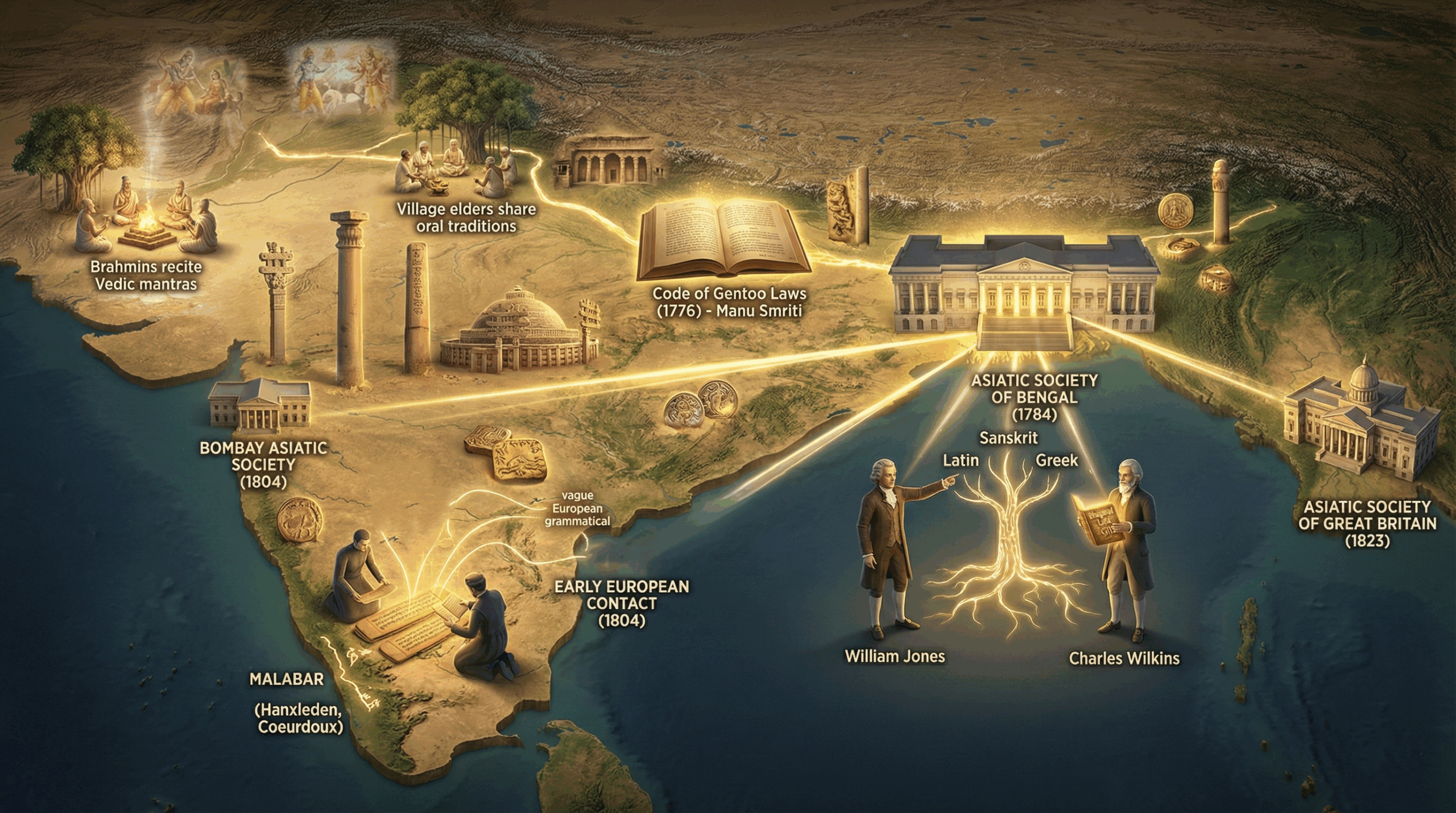
‘How the ancient history of India in modern times came to be noticed’ Introduction Ancient Indian civilization was unlike those […]

Ashoka, the third king of the Mauryan empire, is regarded as one of the most important figures in Indian history. About 269 B.C., he won a succession dispute and took the reign. The Mauryan Empire, which spanned from Bangladesh in the east to Afghanistan in the west, peaked during his rule. His Dhamma policy, which is still up for debate, and his efforts to spread Buddhism, notably after the Kalinga War, are what make his reign most famous. His inscriptions, which can be found all throughout the subcontinent, offer priceless insights into his worldview, policies, and administration.
Ashoka’s life was shaped by the Kalinga War of 261 B.C., which took place between the Mauryan Empire and the independent state of Kalinga (modern-day Odisha and northern Andhra Pradesh). Large numbers of people were killed in the conflict, which was fought along the banks of the Daya River. According to Rock Edict XIII, Ashoka mourned the death of 150,000 people, with many more dying as a result of the agony brought on by the battle.
Dhamma was not a theological concept, but rather a moral and ethical code designed to promote social harmony. It was an independent strategy devised by Ashoka to solve societal challenges and promote unity among the many groups under his authority.
| Tolerance of all sects and beliefs.Moral conduct towards elders, slaves, servants, Brahmanas, sramanas, and animals.Promotion of non-violence and welfare measures.Dhamma emphasized social ethics over religious rituals. |
Ashoka extensively used inscriptions to communicate his policies to the public. His edicts, inscribed on rocks and pillars across his empire, served as direct messages from the ruler to his subjects.
Ashoka’s 14 Major Rock Edicts were placed on the frontiers of his empire rather than in its heartland, addressing their role in outreach. These inscriptions were written in multiple languages—Prakrit, Aramaic, and Greek using Brahmi and Kharosthi scripts.
| Rock Edict I: Prohibition of animal sacrifice and festive gatherings.Rock Edict II: Social welfare measures, medical treatments for humans and animals, and references to South Indian polities.Rock Edict III: Emphasizes respect for elders and all living beings.Rock Edict IV: Advocates non-violence and kindness towards animals.Rock Edict V: Appointment of Dhamma mahamattas to oversee moral conduct and social welfare.Rock Edict VII: Promotes religious tolerance.Rock Edict XIII: Condemns war and extols the virtues of conquest through Dhamma. |
These were the first inscriptions predating the Major Rock Edicts. The Kandahar Bilingual Rock Edict, in Greek and Aramaic, was among the earliest known inscriptions.
The seven Major Pillar Edicts were inscribed towards the later part of Ashoka’s reign. They focus on administrative policies and ethical governance.
| Pillar Edict I: Principles for the protection of people.Pillar Edict II: Defines Dhamma as compassion and truthfulness.Pillar Edict V: Specifies non-violence towards certain animals on specific days.Pillar Edict VII: Advocates for self-control and mental purity. |
Ashoka’s administration was centralized, with the king at the helm, supported by a Council of Ministers.
Ashoka’s social and religious policies addressed – benevolence, tolerance, and egalitarian principles.
Ashoka’s reign witnessed significant economic growth, contributing to the Mauryan Empire accounting for nearly one-third of the world’s GDP at the time.
Ashoka’s rule was significant in Indian history not just for the country’s territorial growth but also for its moral leadership, Dhamma dissemination, and administrative effectiveness. His policies shaped administration for generations and established the groundwork for a moral empire. Ashoka’s ethical leadership and governance approach is a valuable historical, political science, and ethical example for the mankind.
‘How the ancient history of India in modern times came to be noticed’ Introduction Ancient Indian civilization was unlike those […]

Aging is accompanied by a progressive decline in immune function, a phenomenon that significantly increases susceptibility to infections, diminishes vaccine […]
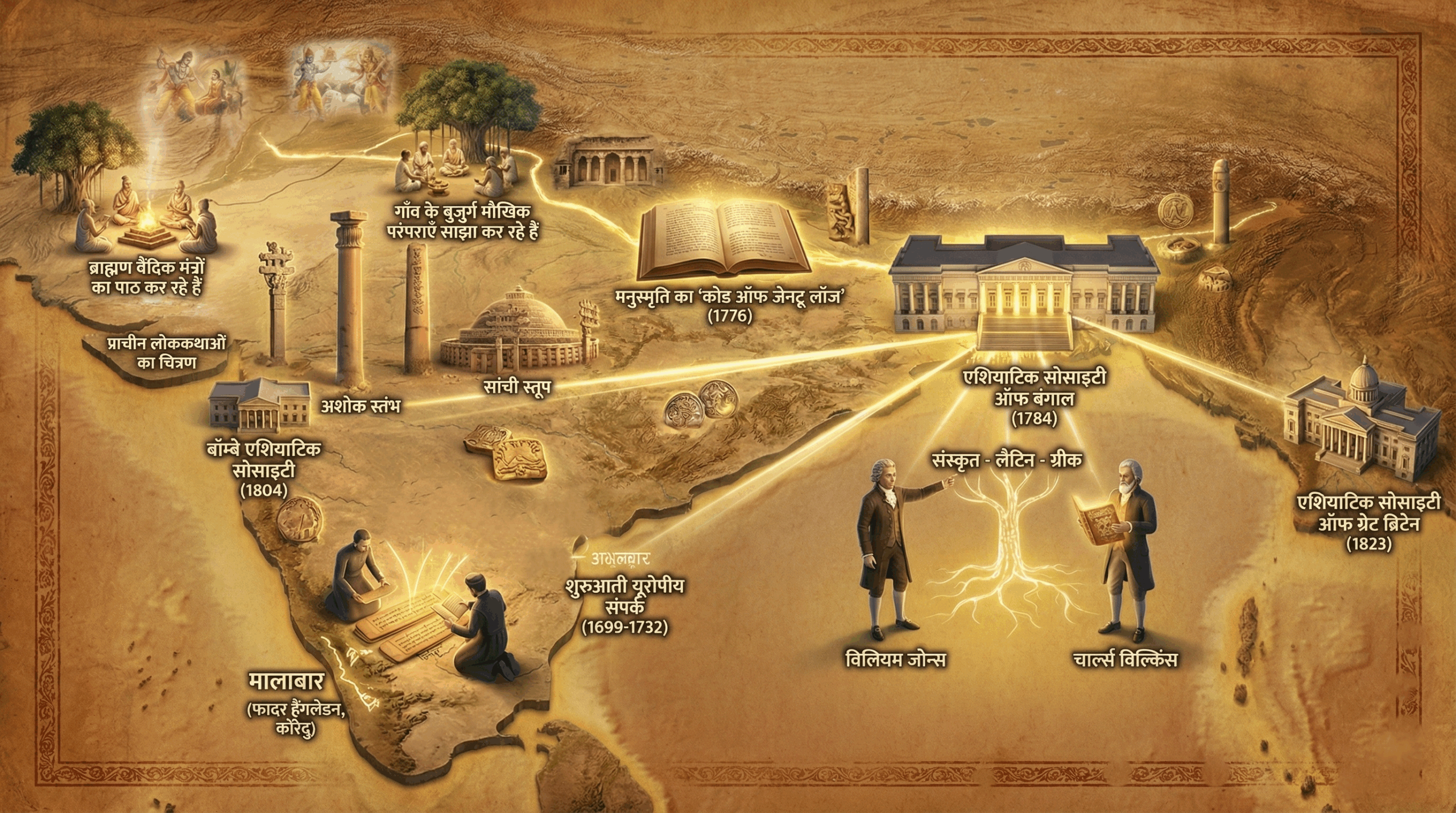
आधुनिक काल में भारत के प्राचीन इतिहास को कैसे पहचाना गया? भूमिका प्राचीन भारतीय सभ्यता मिस्र, मेषोपोटामिया अथवा यूनान जैसी […]