
Human conversation works like a quiet mental detective story. Every time someone speaks, the brain races to figure out not […]

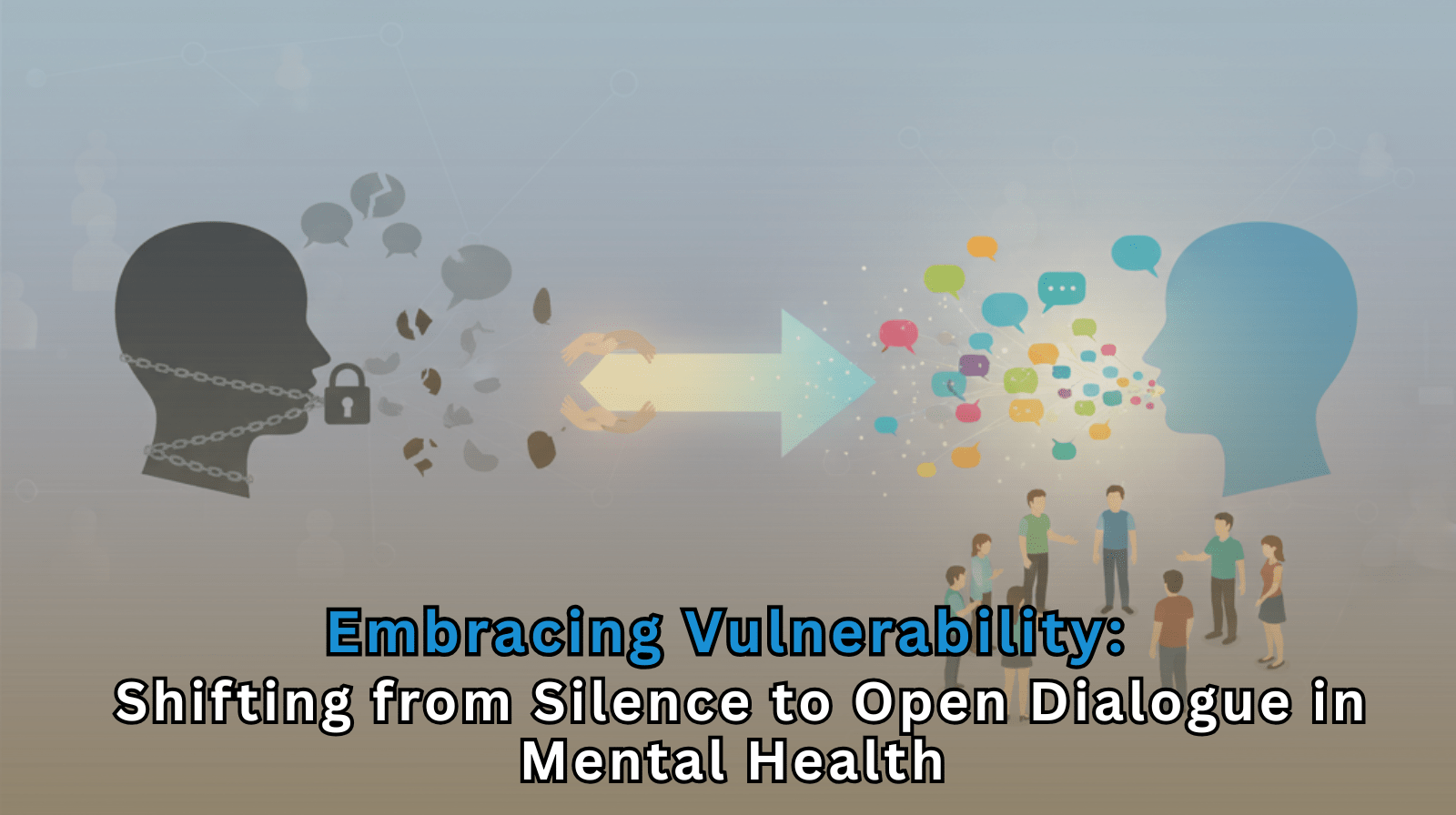
For generations, strength has been narrowly defined as silence. Emotional endurance was praised, disclosure discouraged, and psychological distress often framed as a private failure rather than a shared human experience. This cultural perception has contributed to one of the most significant barriers in mental healthcare: stigma. Mental health conditions are now among the leading causes of global disability not because they are untreatable, but because stigma delays recognition, prevents open dialogue, and restricts access to care.
Mental health is inherently multidimensional, integrating biological, psychological, and social factors. Neural circuits regulate mood, cognition, and behavior, while life experiences and social context continuously shape these pathways. When stigma suppresses conversation, it disrupts this system, leading to chronic stress activation, intensified symptoms, and reduced help-seeking behavior. In contrast, environments that encourage openness and vulnerability activate protective mechanisms: social connection modulates stress responses, enhances emotional regulation, and supports recovery. Recognizing vulnerability as a vital component of health reframes it from a perceived weakness to a critical mechanism for promoting well-being.
A supportive environment is the foundation of any meaningful mental health conversation. Individuals struggling with anxiety, depression, trauma, or other conditions are often highly sensitive to cues of judgment or dismissal. Even subtle signals tone of voice, body language, or rushed responses can reinforce silence.
From a neurobiological perspective, psychological safety matters. When individuals perceive threat or judgment, the brain’s stress systems activate, narrowing attention and reducing openness. In contrast, environments characterized by acceptance and empathy engage neural pathways associated with safety and trust, making honest communication possible. Whether in families, clinics, classrooms, or workplaces, fostering a non-judgmental atmosphere allows people to speak without fear of being labeled, minimized, or misunderstood.
A supportive environment does not require having all the answers. It requires presence, patience, and respect for lived experience. When people feel heard rather than evaluated, conversations about mental health become possible.
Active listening is one of the most powerful yet underutilized tools in mental health support. It involves giving full attention to the speaker, acknowledging their experience, and responding with empathy rather than solutions or judgments. For individuals sharing mental health struggles, being listened to without interruption or correction can itself be therapeutic.
Research in psychology shows that emotional validation reduces distress and strengthens coping mechanisms. Active listening communicates a simple but profound message: your experience is real, and it matters. This does not mean agreeing with every interpretation or immediately offering advice. In fact, attempts to “fix” the problem too quickly can unintentionally invalidate the person’s feelings.
In clinical and non-clinical settings alike, active listening helps create a safe, non-judgmental space. Simple responses, reflecting emotions, acknowledging difficulty, and expressing understanding can reduce isolation and encourage continued openness. Over time, this builds trust and normalizes conversations about mental health.
When appropriate and done thoughtfully, sharing personal experiences with mental health can be a powerful tool for reducing stigma. Hearing that others peers, colleagues, healthcare professionals, or leaders have faced similar challenges helps dismantle the myth that mental illness is rare or abnormal.
Social learning theory explains this effect: people model attitudes and behaviors they observe in others, especially those they respect. When individuals speak openly about their experiences with stress, burnout, anxiety, or recovery, they signal that mental health challenges are part of the human condition, not a personal failure.
However, sharing experiences requires boundaries. Vulnerability is not about disclosure without context; it is about intentional openness that serves connection and understanding. When done responsibly, personal narratives humanize mental health, reduce shame, and encourage others to seek support without fear.
Normalizing mental health conversations means integrating them into everyday interactions rather than reserving them for crises. Regular mental health check-ins, asking how someone is really feeling, not just how they are performing help shift cultural norms.
From a preventive health perspective, early identification matters. Many mental health conditions worsen gradually, and early support can prevent progression, disability, and comorbidity. Regular check-ins create opportunities for early intervention and reinforce the idea that mental well-being deserves routine attention.
These conversations do not need to be formal or intrusive. Simple expressions of care and availability can open doors. Over time, consistent check-ins help build a culture where discussing mental health is expected, accepted, and supported.
Language plays a central role in shaping attitudes toward mental health. Stigmatizing or derogatory terms reinforce harmful stereotypes and discourage individuals from speaking openly. Even casual language can carry unintended weight, influencing how people view themselves and others.
Medical and psychological research emphasizes the importance of person-first, respectful language. Describing individuals as “living with” a condition rather than being defined by it acknowledges their identity beyond diagnosis. Avoiding trivialization of serious conditions such as equating everyday stress with clinical anxiety helps maintain clarity and respect.
Mindful language fosters psychological safety. It signals that mental health discussions are grounded in understanding rather than judgment. Correcting stigmatizing language, when done respectfully, contributes to broader cultural change and reinforces norms of compassion and accuracy.
Open conversations are essential, but they must be accompanied by access to care. Providing resources such as information about mental health professionals, therapy options, support groups, and crisis services bridges the gap between awareness and action.
Many individuals hesitate to seek help not because they lack insight, but because they do not know where to turn. Sharing credible, accessible resources empowers people to take the next step when they are ready. It also communicates that help is available and that seeking it is a sign of responsibility, not weakness.
From a public health standpoint, visibility of resources reduces barriers to care and improves outcomes. Whether through healthcare systems, workplaces, educational institutions, or community networks, making resources known is a tangible expression of support.
The workplace is one of the most influential environments shaping adult mental health. Chronic stress, burnout, and work-related anxiety contribute significantly to the global burden of mental illness. Advocating for mental health in the workplace is therefore both an ethical and economic imperative.
Mental health-friendly workplaces prioritize psychological safety alongside physical safety. This includes mental health training, access to support services, flexible policies, mental health days, and leadership that models openness. Research consistently shows that such initiatives improve employee well-being, productivity, and retention while reducing absenteeism and burnout.
Workplace advocacy also helps dismantle stigma by signaling institutional support. When organizations acknowledge mental health as a legitimate concern, employees feel safer discussing challenges and seeking help early.
Embracing vulnerability does not mean abandoning professionalism, resilience, or scientific rigor. It means aligning culture with evidence. Mental health is shaped by complex interactions between brain biology, environment, and social context. Addressing it effectively requires empathy as much as expertise.
Breaking down stigma is not achieved through a single campaign or policy. It is an ongoing process built through everyday interactions, listening without judgment, speaking with care, sharing responsibly, and advocating for supportive systems. Each conversation contributes to a broader cultural shift.
When mental health is discussed openly and respectfully, individuals are more likely to seek help, communities become more supportive, and healthcare systems become more effective. Ultimately, embracing vulnerability strengthens not weakens our collective capacity for healing.
Mental health deserves the same openness, urgency, and compassion as physical health. By fostering environments of trust and dialogue, we move closer to a society where no one has to suffer in silence, and where care begins not with stigma, but with understanding.
Human conversation works like a quiet mental detective story. Every time someone speaks, the brain races to figure out not […]

The diversity of visual systems observed in nature reflects a series of evolutionary trade-offs rather than a single optimal solution […]

Liver cancer is one of the fastest-rising causes of cancer-related deaths worldwide, closely tracking the global surge in obesity, metabolic […]