
Srinivasa Ramanujan is one of the greatest mathematical minds the world has ever seen. His story is extraordinary not only […]

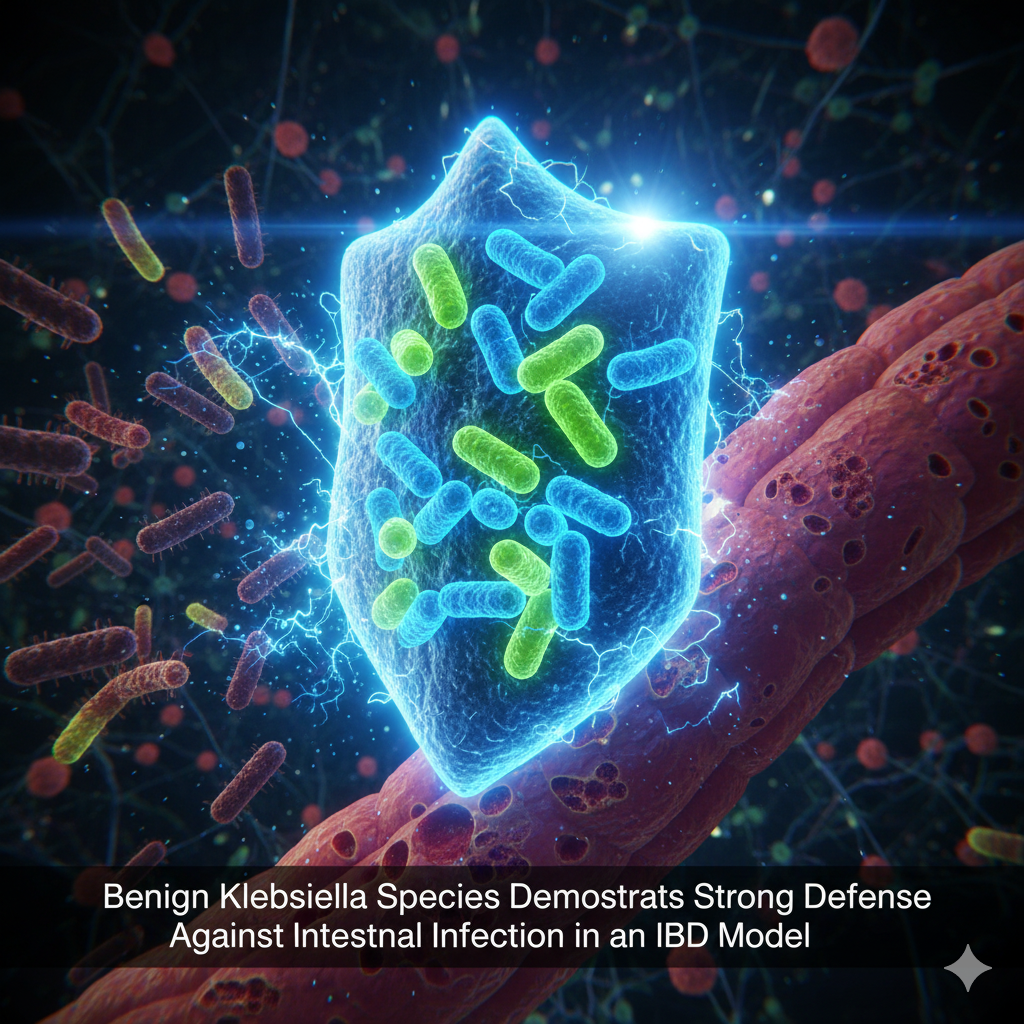
The human gastrointestinal tract hosts one of the most complex microbial ecosystems known in biology. This microbial community plays a critical role in immune education, metabolic regulation, and protection against pathogenic invasion. Disruption of this ecosystem commonly referred to as dysbiosis is a defining feature of Inflammatory Bowel Disease (IBD) and a major contributor to disease progression, infection susceptibility, and treatment failure.
Current therapeutic strategies for IBD primarily target immune suppression or inflammation control. While effective for some patients, these approaches often fail to address the underlying microbial imbalance and may exacerbate dysbiosis through repeated antibiotic exposure. As a result, the search for microbiota-based therapies that restore ecological balance rather than simply suppress symptoms has become a central goal in gastroenterology research.
In this context, a study led by Karina Xavier and colleagues introduces a paradigm-shifting discovery: a naturally occurring, non-pathogenic strain of Klebsiella that functions as a highly effective live biotherapeutic agent. Published in Nature Communications, the study demonstrates that Klebsiella sp. ARO112 can eliminate intestinal infections and significantly reduce gut inflammation in mouse models of IBD challenging long-held assumptions about the therapeutic potential of bacteria traditionally associated with disease.
The identification of ARO112 did not originate from a targeted probiotic screening program. Instead, it emerged serendipitously during earlier experiments involving antibiotic-treated mice. Researchers observed that a subset of animals showed an unusual resistance to enteric infection following antibiotic exposure, a finding that contradicted established expectations, as antibiotics typically increase susceptibility to pathogenic colonization.
Closer investigation revealed the presence of a previously uncharacterized Klebsiella strain within the gut microbiota of these resistant mice. This strain, later designated Klebsiella sp. ARO112 and named after Ph.D. researcher Ana Rita Oliveira, belonged to the same bacterial family as Klebsiella pneumoniae, a notorious opportunistic pathogen. However, genomic and functional analyses revealed a crucial distinction: ARO112 lacked pathogenic traits and behaved as a benign commensal organism.
Initial findings, published in Nature Microbiology in 2020, demonstrated that ARO112 exerted its protective effects through ecological competition rather than antimicrobial toxicity. By efficiently occupying metabolic niches and competing for limited nutrients, the strain prevented pathogenic bacteria from establishing dominance in the gut. These early observations laid the groundwork for exploring ARO112 as a candidate for therapeutic microbiome modulation.
The latest Nature Communications study moves beyond observational microbiome ecology and rigorously evaluates ARO112 in a clinically relevant disease context. The research team, including Vitor Cabral and Rita Oliveira, tested the bacterium in a genetically modified mouse model carrying mutations associated with human IBD. This model is characterized by impaired gut barrier function, chronic inflammation, and heightened vulnerability to infection, features that closely mirror the human disease.
To simulate real-world clinical scenarios, mice were first treated with antibiotics to disrupt their native microbiota. They were then challenged with pathogenic Escherichia coli, a common cause of post-antibiotic intestinal infection. A subset of these mice received oral administration of ARO112, while control groups received no microbial intervention or were treated with a widely used probiotic strain.
The results were striking.
Mice treated with ARO112 demonstrated near-total elimination of pathogenic E. coli. This level of infection clearance exceeded outcomes observed in previous microbiome-based studies and was particularly remarkable given the compromised immune and microbial environment of the IBD model.
Beyond pathogen removal, ARO112 profoundly influenced the recovery trajectory of the gut ecosystem. Treated mice exhibited accelerated restoration of microbial diversity, including the re-establishment of beneficial anaerobic bacteria responsible for producing short-chain fatty acids such as butyrate. Butyrate is known to support epithelial barrier integrity, modulate immune responses, and suppress inflammation, functions that are critically impaired in IBD.
Histological and molecular analyses confirmed that ARO112 treatment was associated with a significant reduction in intestinal inflammation. Markers of mucosal damage and immune activation were markedly lower in treated animals, suggesting that microbial rebalancing alone can exert anti-inflammatory effects without direct immune suppression.
Karina Xavier summarized the findings succinctly: the bacterium not only eliminated infection but actively accelerated the return to a stable, healthy microbiota state.
To contextualize the performance of ARO112, the researchers compared it with Escherichia coli Nissle 1917, a commercial probiotic strain used in Europe for certain gastrointestinal conditions. Under identical experimental conditions, Nissle failed to provide protection against infection or reduce inflammation.
This contrast underscores a critical insight: probiotic efficacy is not universal but highly context-dependent. Traditional probiotics are often selected for safety and general tolerance rather than for precise ecological functions within diseased microbiomes. In contrast, ARO112 appears uniquely adapted to thrive in antibiotic-disrupted, inflamed gut environments, precisely where therapeutic intervention is most needed.
The findings highlight the limitations of one-size-fits-all probiotics and reinforce the need for targeted, disease-specific live biotherapeutics.
Given the association of certain Klebsiella species with hospital-acquired infections and antibiotic resistance, safety evaluation was a central focus of the study. The research team collaborated with the laboratory of Carles Ubeda at Fisabio to conduct extensive risk assessments.
The results were unexpectedly reassuring:
Xavier described this behavior using an ecological metaphor: ARO112 functions like a volunteer firefighter intervening during microbial crisis, restoring balance, and then stepping aside.
ARO112 represents a new generation of microbiome therapeutics fundamentally distinct from traditional probiotics. Rather than being derived from food fermentation cultures, it was isolated directly from the gut microbiota of healthy mammals and selected based on functional ecological traits.
Such live biotherapeutic products offer several potential advantages over existing approaches. They may provide a precise alternative to fecal microbiota transplantation, which carries logistical, regulatory, and safety challenges. They may also serve as adjunctive therapies following antibiotic treatment, reducing infection risk while promoting microbiome recovery.
Importantly, this strategy aligns with an emerging shift in medicine: treating disease not only by targeting pathogens or immune pathways, but by restoring ecological resilience within the human body.
Recognizing the translational potential of ARO112, the Gulbenkian Institute for Molecular Medicine is actively advancing its development pathway. This includes technology maturation, regulatory evaluation, and engagement with industry partners to explore clinical applications.
While antibiotics will remain indispensable tools in medicine, their microbiota-disrupting effects present an ongoing challenge. The concept of pairing antibiotics with targeted live biotherapeutics, administered during recovery rather than acute infection, offers a compelling vision for the future of infectious disease and inflammatory disorder management.
As microbiome science matures, discoveries like ARO112 suggest that some of the most effective therapies may already reside within us, waiting to be understood and harnessed.
The identification of Klebsiella sp. ARO112 fundamentally challenges prevailing assumptions about beneficial and harmful bacteria. In a rigorous IBD disease model, this harmless strain demonstrated an extraordinary capacity to eliminate infection, reduce inflammation, and restore microbial balance, while maintaining a strong safety profile.
These findings mark a significant step toward precision microbiome therapeutics and open new avenues for treating complex inflammatory diseases through ecological restoration rather than suppression. As research progresses toward human trials, ARO112 stands as a compelling example of how rethinking microbial roles can reshape modern medicine.
Srinivasa Ramanujan is one of the greatest mathematical minds the world has ever seen. His story is extraordinary not only […]

For generations, strength has been narrowly defined as silence. Emotional endurance was praised, disclosure discouraged, and psychological distress often framed […]
Aging is accompanied by a progressive decline in immune function, a phenomenon that significantly increases susceptibility to infections, diminishes vaccine […]