
Cigarette smoking remains a leading modifiable risk factor for cardiovascular disease (CVD) worldwide, contributing to endothelial dysfunction, systemic inflammation, hypercoagulability, […]

Melatonin is widely prescribed as a chronobiotic agent and over-the-counter sleep aid. While its short-term efficacy and safety profile are well established, data on long-term cardiovascular outcomes remain limited. Recent analysis of real-world electronic health records indicates a potential association between chronic melatonin use and elevated risk of heart failure, heart failure-related hospitalization, and all-cause mortality. This article summarizes these findings and discusses clinical and research implications.
Melatonin (N-acetyl-5-methoxytryptamine) is a neurohormone synthesized by the pineal gland and frequently administered as a pharmacologic supplement for sleep disturbances, circadian rhythm disorders, and adjunctive therapy in certain neurologic conditions. Historically regarded as safe, melatonin’s long-term cardiovascular safety profile has not been rigorously evaluated in large populations.
Emerging evidence from the TriNetX Global Research Network, presented at the American Heart Association Scientific Sessions 2025, highlights a potential relationship between prolonged melatonin exposure and adverse cardiac outcomes in adults with chronic insomnia.
Primary outcomes assessed over a 5-year follow-up were:
1. Incident heart failure (ICD-10 I50)
2. Hospitalization for heart failure
3. All-cause mortality
Chronic melatonin supplementation was associated with nearly double the risk of incident heart failure, a threefold increase in hospitalization, and a twofold increase in all-cause mortality.
Potential mechanisms include melatonin’s pleiotropic effects on oxidative stress, vascular function, and circadian signaling, which may influence myocardial remodeling over prolonged exposure.
Confounding factors such as severity of insomnia, comorbid psychiatric or metabolic disorders, or other lifestyle factors could contribute to the observed associations.
As an observational study, causality cannot be confirmed, and further research is necessary.
Large, real-world cohort with robust EHR data
Comprehensive covariate adjustment and propensity matching
Clinically meaningful outcomes
Observational design precludes causal inference.
Data on dose, formulation, and adherence were unavailable.
Residual confounding (e.g., undiagnosed sleep apnea, lifestyle factors) may persist.
Generalizability limited to adults with chronic insomnia.
Caution in Long-Term Use: Clinicians should carefully evaluate the need for prolonged melatonin supplementation, particularly in patients with cardiovascular risk factors.
Behavioral Interventions: Non-pharmacologic strategies such as cognitive behavioral therapy for insomnia (CBT-I) and sleep hygiene optimization should remain first-line.
Monitoring: Patients on extended melatonin therapy may benefit from closer monitoring for heart failure symptoms.
Research Needs: Randomized controlled trials are needed to establish causality and elucidate the mechanisms of cardiovascular risk associated with long-term melatonin use.
While melatonin remains a valuable therapeutic agent for short-term sleep disturbances, these findings highlight a potentially underrecognized cardiovascular risk associated with long-term supplementation. Clinicians should carefully weigh benefits against potential harms, particularly in populations with pre-existing cardiovascular risk factors, and incorporate behavioral sleep interventions when feasible. Further research is needed to validate these associations and guide evidence-based clinical recommendations.
Cigarette smoking remains a leading modifiable risk factor for cardiovascular disease (CVD) worldwide, contributing to endothelial dysfunction, systemic inflammation, hypercoagulability, […]
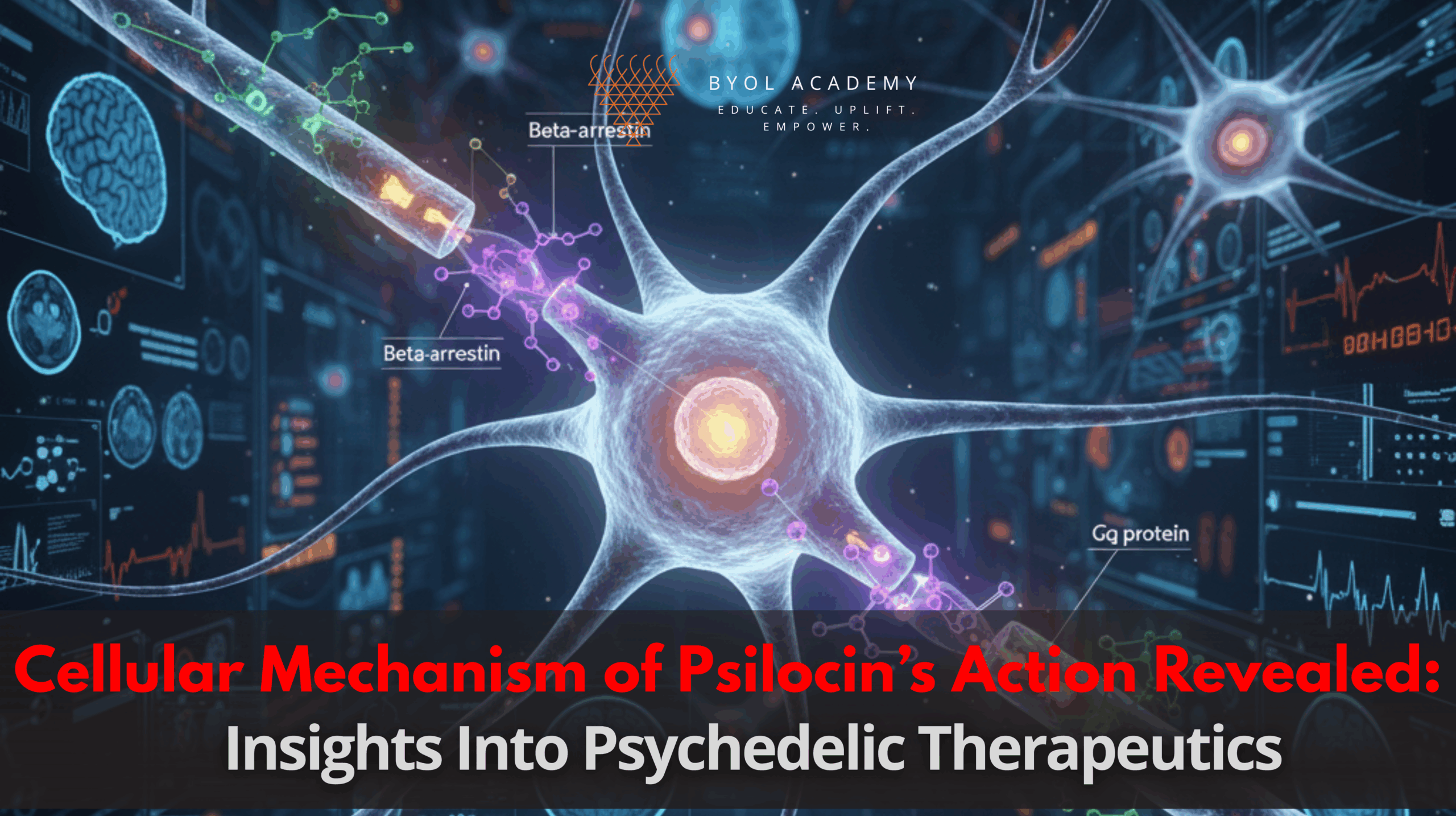
Psilocybin, metabolized to psilocin in vivo, is emerging as a potential therapeutic agent for neuropsychiatric disorders including depression and anxiety. […]

Introduction Physical fitness is an essential aspect of a student’s overall development. In schools, sports and physical education programs aim […]