
Mental health challenges now touch more than a billion lives worldwide, and adolescents sit at the most vulnerable crossroads of […]

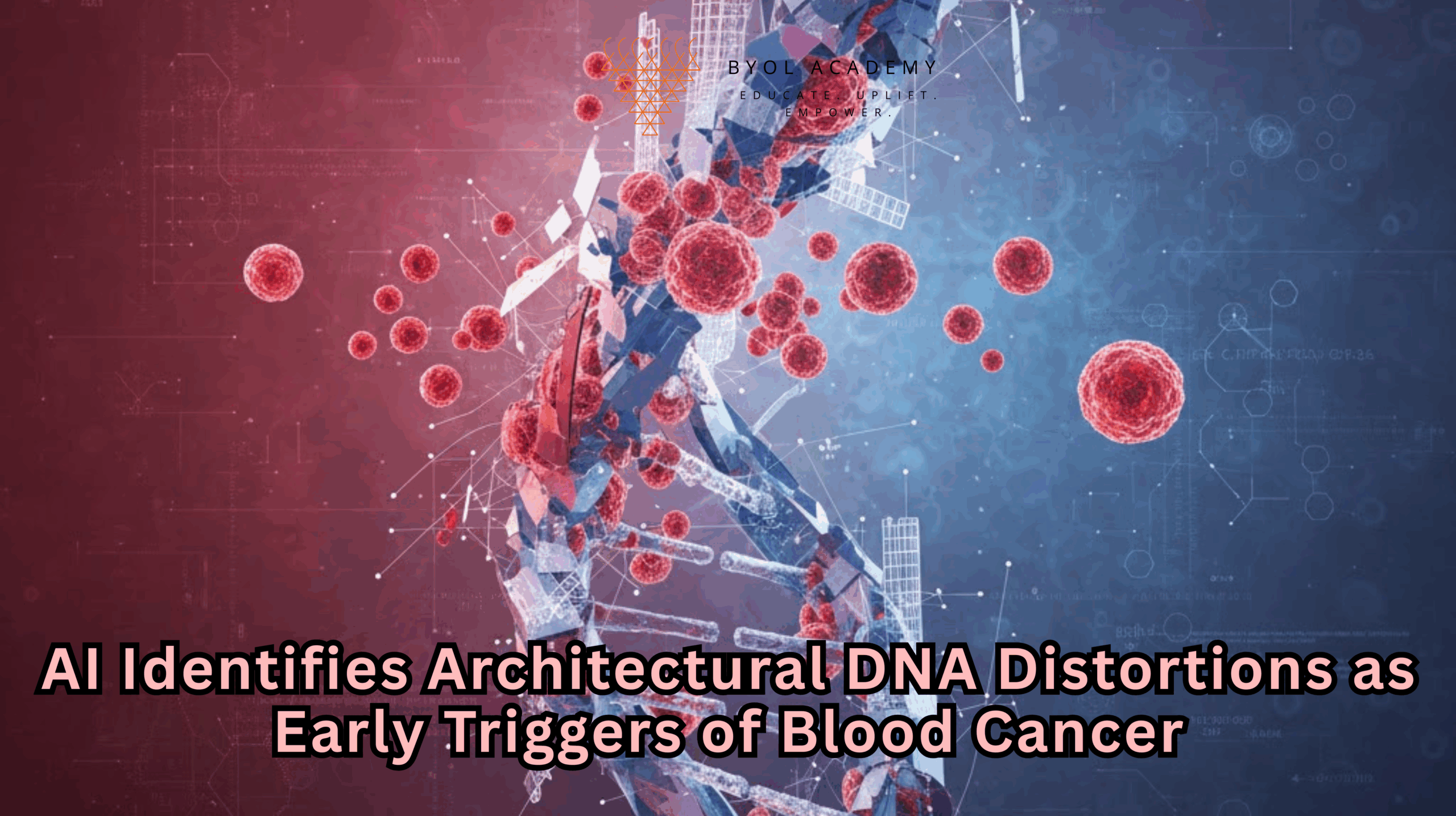
Cancer biology has long focused on DNA mutations, changes in the genetic code that impair tumor suppressor genes or activate oncogenic pathways. Yet mutations alone cannot fully explain why some individuals develop cancer while others do not, even when their DNA sequences appear intact. A new study presented at the 2025 American Society of Hematology (ASH) Annual Meeting delivers powerful evidence that the architecture of the genome, the three-dimensional (3D) structure of DNA within the nucleus, is just as critical as the genetic sequence itself.
Led by Martin Rivas, Ph.D., from the Sylvester Comprehensive Cancer Center at the University of Miami Miller School of Medicine, the research uncovers a mechanism by which subtle architectural failures can silently predispose individuals to lymphoid malignancies, particularly lymphoma. The study introduces a concept that may reshape modern oncology: architectural tumor suppression.
Although DNA is often depicted as a linear string of bases, its functional reality is strikingly different. Inside the nucleus, DNA is folded into loops, domains, compartments, and territories that bring distant genetic elements into close proximity. These 3D arrangements allow enhancers, regulatory DNA elements, to physically contact promoters, the sequences that initiate transcription.
These contacts are not optional. They are essential for:
The architecture of the genome is built and stabilized by several structural proteins. Two of the most critical are:
SMC3, a cohesin complex subunit that forms chromatin loops
CTCF, a zinc-finger protein that anchors loop boundaries and insulator regions
When these proteins are present in full abundance, the genome’s wiring remains robust. But the new research reveals what happens when cells lose even one functional copy of these architectural genes.
The study investigates SMC3 and CTCF haploinsufficiency, meaning that the cell has only half the normal amount of the protein. This occurs when one allele is mutated or deleted, but the other remains intact.
One might expect that losing half of an architectural protein would severely disrupt the entire genome, yet the results were more nuanced.
AI-assisted analysis revealed that:
The global 3D genome structure remains largely stable.
However, short-range enhancer–promoter loops, the fine wiring that activates specific genes, begin to deteriorate.
These small loops are essential for turning on tumor suppressor genes, including:
Tet2
Kmt2d
Dusp4
When enhancer-promoter contacts weaken, these protective genes become silenced, leaving cells vulnerable to malignant transformation.
Rivas described this phenomenon as “losing the blueprint during construction.” The overall structure stands, but critical internal connections collapse.
Detecting architectural breakdown is immensely complex. The team integrated multiple high-resolution datasets, including:
Hi-C: maps physical DNA–DNA contacts across the genome
Single-cell RNA sequencing: identifies gene expression changes cell by cell
Chromatin accessibility assays: show which regions of DNA are open for transcription
Epigenetic marks: reveal regulatory state and enhancer activity
Processing these enormous datasets manually would be nearly impossible. AI-driven computational biology allowed the researchers to identify patterns invisible to conventional analysis.
1. Which loops disappeared after SMC3/CTCF loss
2. Which enhancer–promoter connections were most vulnerable
3. How transcriptional programs in B-cells shifted as architecture collapsed
4. How epigenomic landscapes reconfigured during early malignant transformation
As Rivas noted, “AI allowed us to see how losing just one copy of a gene reshapes the entire 3D landscape.”
B-cells normally mature through a sequence of developmental checkpoints. Proper enhancer–promoter looping ensures that genes guiding differentiation remain active.
When architectural proteins decline:
This stalled population exists in a precarious, unstable state, fertile ground for lymphoma initiation. The study describes this phenomenon as a “decision bottleneck”, where cells are trapped at a developmental juncture with compromised regulatory control.
This bottleneck mirrors conditions known to precede aggressive lymphoid cancers.
The team analyzed patient data and found a significant clinical correlation:
Patients with diffuse large B-cell lymphoma (DLBCL) who express lower levels of SMC3 have worse clinical outcomes.
This indicates that genome architecture is not simply an academic concept, it is a measurable, predictive feature of cancer behavior.
The findings position architectural markers as potential tools for:
Prognosis
Risk stratification
Early detection
Traditional cancer therapies target mutated genes or the proteins they encode. But architectural failures open an entirely new therapeutic frontier.
Future strategies may aim to:
Restore lost chromatin loops
Rebuild enhancer–promoter connectivity
Stabilize cohesin and insulator complexes
Use small molecules to mimic architectural interactions
Such interventions would represent a paradigm shift: repairing DNA architecture instead of repairing DNA sequence.
The study suggests that reinforcing genome architecture may one day prevent malignant transformation long before mutations accumulate.
Cancer is not only a disease of broken genes. It is also a disease of broken genome architecture.
The study’s insights reposition the 3D organization of DNA as a major determinant of cancer susceptibility. Architecture defines which genes are reachable, which remain silent, and which pathways dominate.
The analogy is clear: a city with intact buildings but missing roads quickly collapses. In the same way, cells with intact genes but missing DNA loops lose access to critical tumor suppressors and cancer finds an opening.
Repairing these lost “roads” may be the key to preventing malignancy.
Mental health challenges now touch more than a billion lives worldwide, and adolescents sit at the most vulnerable crossroads of […]

India grapples with a persistent challenge: despite having formally established fire-safety regulations and building codes, many fire incidents continue to […]
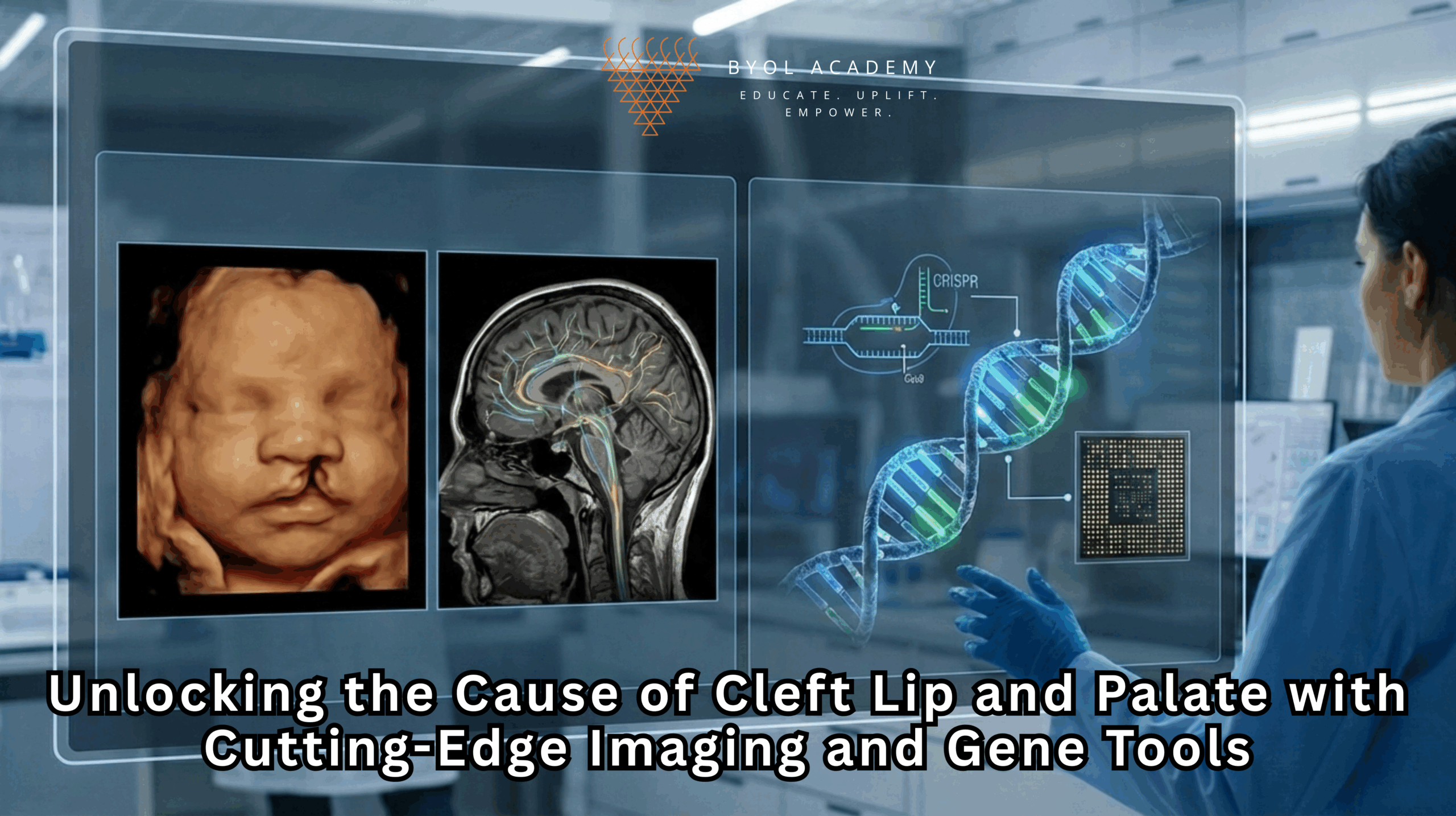
Every face tells its own story. Genetics shapes much of that story, but when key developmental instructions go awry, babies […]